
The Art of the Guest Experience in the Service Bay
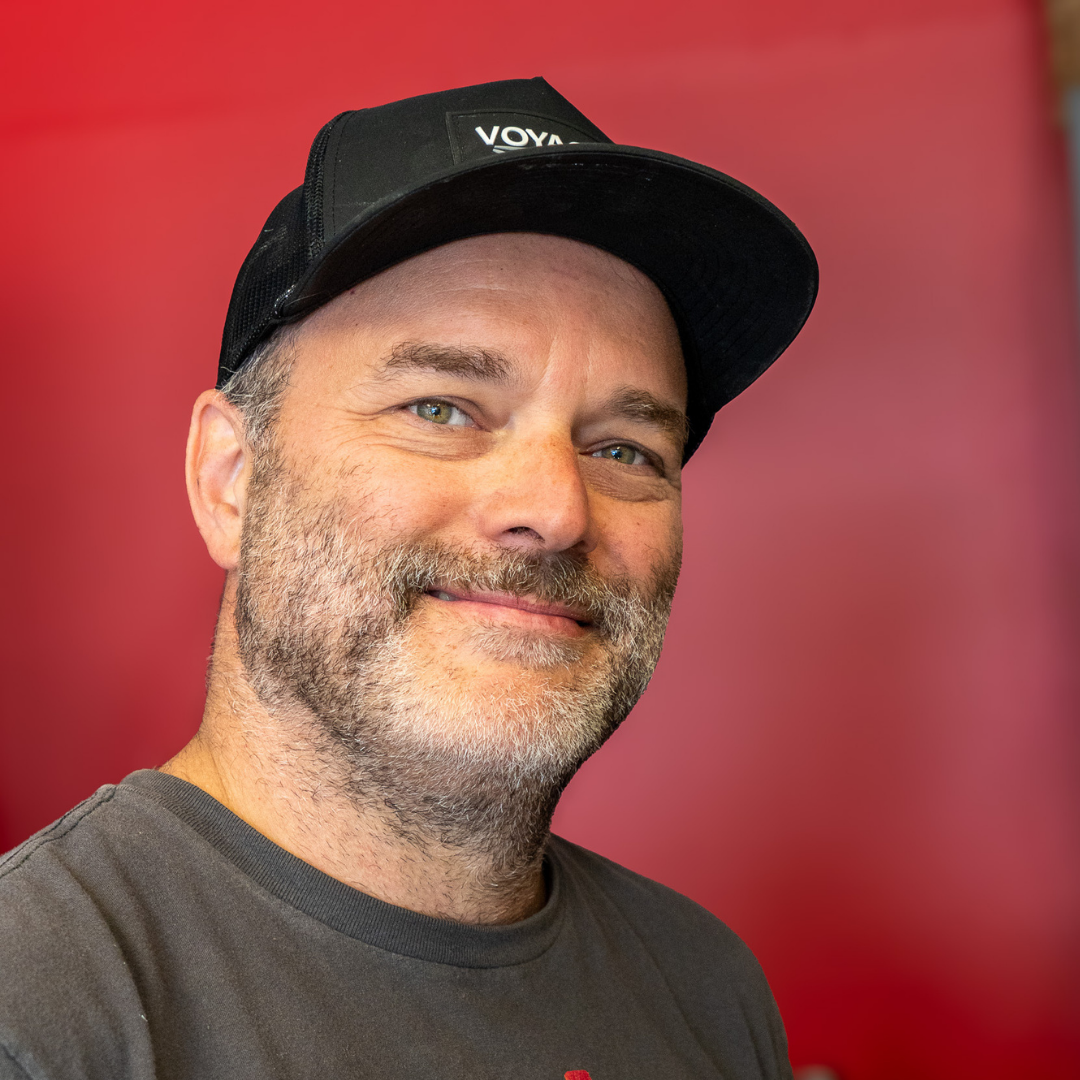
For Timothy Hart, the distance between a high-end dining room and an RV service bay is much shorter than most people realize. After a successful career rising into restaurant management, Timothy discovered that the "soft skills" of hospitality are actually the "hard skills" of a top-tier technician. By bringing a hospitality mindset to the shop, he is proving that a great repair starts long before a wrench ever touches a bolt.
Bringing "Mise en Place" to Mechanics
In a professional kitchen, chefs rely on mise en place—the disciplined organization of every ingredient and tool before the work begins. Timothy has translated this high-pressure organization directly into his technical work. Rather than diving blindly into a complex electrical or plumbing issue, he approaches each unit with a manager’s eye for detail, utilizing meticulous labelling and step-by-step photography.
This level of documentation isn't just about the repair; it’s about the peace of mind he can provide the owner. Just as a manager tracks every detail of a complex event to ensure it runs smoothly, Timothy’s organized approach ensures that even the most intricate systems are restored with precision and care.
The "Service Menu" Approach to Technical Talk
One of the most valuable skills Timothy brought from the restaurant floor is the ability to act as a translator. In hospitality, a manager must explain complex culinary techniques in a way that makes a guest feel excited and informed. In the RV world, Timothy applies this same logic to mechanical jargon.
He recognizes that while an RV owner is an expert on their own family adventures, they may not understand the nuances of a hydronic heating system or a solar array. By stripping away the technical jargon and using clear, simple language, Timothy ensures the "guest" feels like a partner in the repair process rather than an outsider. This transparency builds a level of trust that is often missing in traditional mechanical trades.
Protecting the Vacation
Ultimately, Timothy views every RV that enters his bay not as a machine, but as a family's "vacation in progress". In the restaurant industry, the goal is to save the evening; in the RV industry, Timothy's goal is to save the trip.
“I’m not just fixing a vehicle; I’m helping people get back on the road to enjoy their adventures.”
By merging his management-level discipline with a genuine passion for problem-solving, Timothy Hart is showing that the best way to service an RV is to first understand the traveller who calls it home.